
Book Review: ‘I Seek a Kind Person,’ by Julian Borger
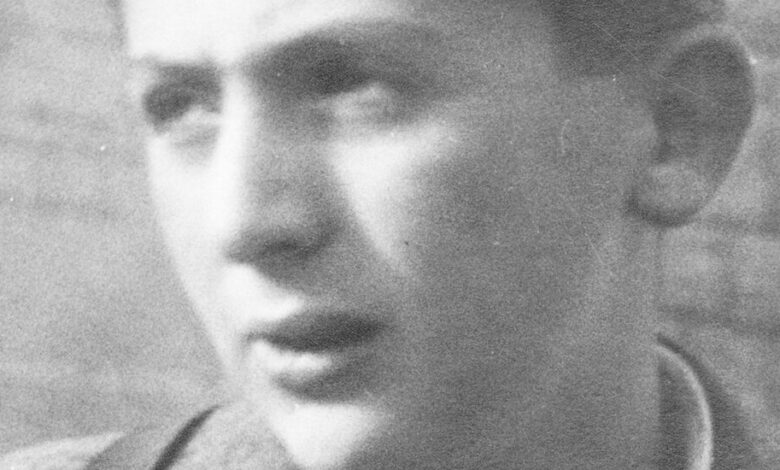
These heartbreaking ads — “FERVENT prayer in great distress. Who would give a Home to a grammar school scholar aged 13: healthy, clever, very musical” — appeared amid the mundane surround of a daily newspaper. Like all the ads, a Boy called Fred’s “was on the second page, alongside the listener’s guide to radio programs, which that day included some new film music by Arthur Bliss.” (This was before the lifesaving Kindertransport, started in November 1938; throughout “I Seek a Kind Person,” the reader is reminded of an earlier Britain, which took to its post-imperial heart the mission of rescuing at least some asylum seekers.)
Each harrowing story has its own specific surprises of circumstance or geography. We’re taken as far afield as Shanghai, the outpost of resilient Jewish refugees who established a “Little Vienna” loosely governed by the Japanese, until the Nazis arrived to turn the place into a ghetto.
There are those whose ads did not yield placements, but who were able to attain a visa for the United States. One teenager named Gertrude, who was passed repeatedly among foster families in Britain, later wrote agonizingly about “a slow orphanhood,” the period of uncertain years during which she hoped to be reunited with her beloved parents. Their deaths were confirmed only at war’s end, when Gertrude received a letter from the International Committee of the Red Cross.
Encountering Holocaust stories, we never lose the primal shock of the before scenes of normalcy and thriving, contrasted with the after of danger, threat, flight, loss. Perhaps this form crystallizes how possible such catastrophic change always is; certainly it is employed by countless dramas, including Tom Stoppard’s play “Leopoldstadt,” whose Viennese characters and their fates have several echoes in these pages.
Julian Borger’s haunting, revelatory book exists in the shadow of a parent who, like many survivors, spoke little about his past. Part of Borger’s task is to illuminate that anguishing tension between forgetting and remembering.
As Gertrude, who later became Yehudith and moved to Israel, expressed it in a line Borger uses as his epigraph: “I feel as though half of me is fighting the other half by trying to forget, rather than remember, and I realize that is probably what I have been doing all my life.”
I SEEK A KIND PERSON: My Father, Seven Children, and the Adverts That Helped Them Escape the Holocaust | By Julian Borger | Other Press | 304 pp. | Paperback, $17.99
Source link


